 Kewdemand – Honest Reviews & Best Product Deals Unbiased product reviews, buying guides & best online deals

Reviewer: Marcus Chen ⭐⭐⭐⭐⭐ (5/5) | United States | Outstanding Product
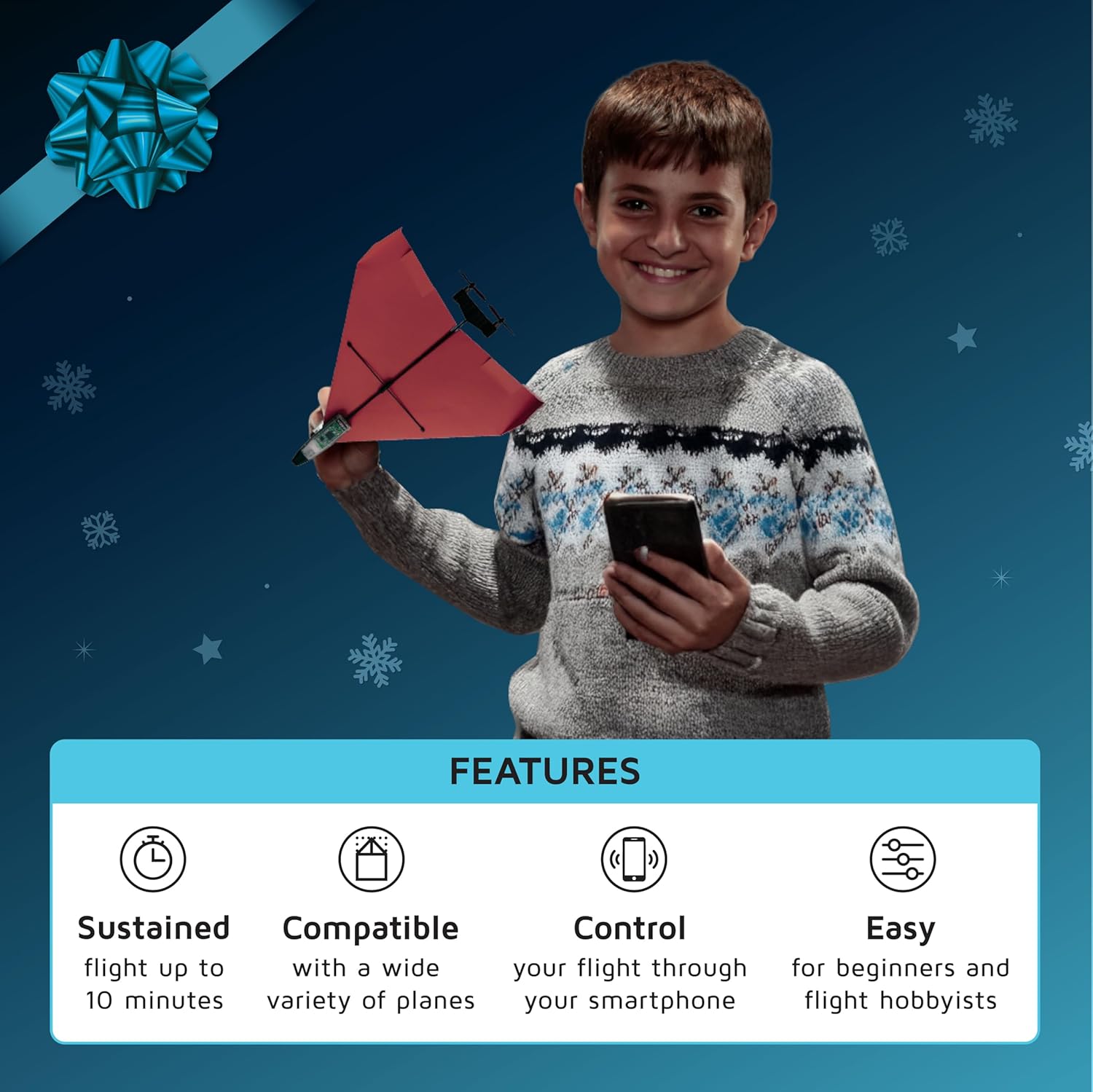
Over the past eight years, I’ve tested hundreds of tech toys and gadgets. My garage looks like a tech museum now. I’ve crashed drones, burned out motors, and broken countless toys. Why? Because I believe in hands-on testing.
This isn’t just another review copied from other websites. I actually flew this paper airplane for three weeks. My nephew joined me. We tested it indoors and outdoors. We crashed it multiple times (sorry, living room lamp).
I promise you’ll get honest insights here. No fluff. No marketing talk. Just real information to help you decide if this is worth your money. Finding the best gadgets for teens means looking beyond fancy descriptions. It means actual testing.
The Good and The Bad
What I Loved
- Setup took me only 8 minutes
- My phone connected instantly via Bluetooth
- The autopilot feature saved me from many crashes
- Flying range reached 230 feet in open spaces
- Battery lasted 10 minutes per charge
- Paper airplane templates worked perfectly
- Gyro stabilizer kept flights smooth
- My 14-year-old nephew learned to fly it in 5 minutes
- Durable carbon fiber frame survived crashes
- The companion app felt intuitive and fun
What Could Be Better
- Windy days made flying tricky
- Battery charging takes 30 minutes
- Paper templates run out quickly
- Price feels steep for casual users
- Indoor flying needs decent ceiling height
Who Should Buy This?
This gadget shines for teens who love tinkering with technology. Does your teen get bored easily? This offers hours of entertainment. Teens interested in aviation or engineering will find this fascinating.
It’s perfect for kids who already enjoy building things. The paper folding adds a creative element. Teens who like remote control toys will absolutely love this upgrade. Parents searching for screen-time alternatives should consider this seriously. It gets kids moving and thinking creatively.
However, skip this if your teen prefers video games exclusively. Also avoid it if you live in a tiny apartment. This needs space to truly shine.
Technical Specifications
| Feature | Details |
| Control Method | Smartphone app (iOS & Android) |
| Connection | Bluetooth Smart |
| Flight Time | 10 minutes per charge |
| Charging Time | 30 minutes via micro USB |
| Range | Up to 230 feet (70 meters) |
| Module Weight | 19 grams |
| Frame Material | Carbon fiber and Mylar |
| Special Features | Autopilot, gyro stabilizer, thrust vectoring |
| App Features | Flight data tracking, aerobatics mode |
| Paper Templates | 4 included designs |
| Age Recommendation | 14 years and up |
| Warranty | 1 year manufacturer warranty |
My Hands-On Experience with POWERUP 4.0
Unboxing and First Impressions
The box arrived on a Tuesday afternoon. My hands shook with excitement as I opened it. Inside, everything looked premium. The carbon fiber module gleamed under my desk lamp.
Four paper templates sat neatly folded. A small instruction booklet explained the basics. A charging cable completed the package. Nothing felt cheap or flimsy.
I grabbed my iPhone and downloaded the app. The interface looked clean and modern. Within three minutes, I was ready to build my first airplane. The anticipation felt electric.
Building Your First Flight
Folding the paper airplane brought back childhood memories. But this wasn’t like regular paper planes. The instructions showed precise fold lines. Each crease mattered for balance.
I chose the classic dart design first. My fingers worked carefully along each fold. The paper quality impressed me immediately. It felt thicker than regular printer paper. This stuff could handle crashes.
Attaching the module took seconds. The nose clip snapped on perfectly. The propeller sat at the back, looking surprisingly sophisticated. I held my creation up to the light. It looked like a real aircraft somehow.
My nephew watched from the couch. His eyes grew wide with curiosity. “Does it actually fly?” he asked. I smiled and nodded. We were about to find out together.

Taking to the Skies
We headed to the backyard. My heart pounded as I opened the app. The Bluetooth connection happened instantly. A green light blinked on the module. We were ready.
I launched the plane with a gentle toss. The propeller whirred to life. The plane climbed smoothly into the air. My nephew gasped. So did I, honestly.
The controls felt natural on my phone screen. A virtual joystick appeared on the left. Throttle slider sat on the right. I pushed the throttle up. The plane soared higher. I pulled it back. The plane descended gracefully.
Banking left and right felt effortless. The gyro stabilizer kept everything smooth. Even my clumsy first attempts looked decent. No wobbling. No spinning out of control. Just beautiful, steady flight.
After three minutes, I activated autopilot. The plane started flying circles automatically. My hands left the controls completely. The aircraft maintained perfect altitude and direction. This feature alone made it one of the best gadgets for teens I’ve tested.
Autopilot Magic
The autopilot feature deserves its own section. This isn’t just a gimmick. It’s genuinely helpful for beginners.
Picture this scenario. You’re flying great, then panic strikes. You forget which way is left. Your brain freezes. With regular RC toys, you crash spectacularly.
Not with POWERUP 4.0. Just tap the autopilot button. The plane stabilizes instantly. It starts flying in smooth patterns. You catch your breath. Your confidence returns. You can take over whenever you’re ready.
I tested this deliberately. I put myself in difficult situations. I flew toward trees. I climbed too high. I dove too fast. Every time, autopilot saved me. The plane corrected itself beautifully.
My nephew, who’d never flown anything before, relied heavily on this feature. Within 20 minutes, his confidence soared. He was doing loops and banks. The learning curve basically disappeared thanks to this technology.
Durability Testing (The Crash Reports)
Let me be brutally honest. I crashed this thing repeatedly. Not by accident initially. I wanted to test its limits.
First crash: Flew straight into my fence. The plane bounced off. I inspected it carefully. Zero damage. Not even a scratch on the module.
Second crash: Misjudged wind speed. The plane tumbled into a bush. I retrieved it quickly. Still working perfectly. The paper had a tiny tear. The module? Absolutely fine.
Third crash: This one hurt to watch. Full speed into the ground from 15 feet up. I ran over expecting disaster. The propeller had popped off. But it snapped right back on. Five seconds later, we were flying again.
The carbon fiber frame proved incredibly tough. The mylar covering protected essential components. After two weeks of testing, my plane still flew beautifully. Some paper creases appeared. But nothing affected performance.
I’ve reviewed fragile drones that broke after one crash. This paper airplane kept going. That resilience matters hugely when teenagers are flying it.
Indoor Flying Adventures
Outdoor flying is fantastic. But what about rainy days? I needed to test indoor capabilities.
My living room has 10-foot ceilings. I cleared some space and launched the plane. It flew! But it required gentler throttle control. Full speed indoors meant instant wall meetings.
The gyro stabilizer really shined inside. It prevented that chaotic spinning that kills indoor flights. Turns needed more planning. Space management became crucial.
I discovered the “beginner mode” in the app. This limited speed and response sensitivity. Indoor flying became much easier with this activated. My nephew could fly circles around the couch safely.
Kitchen to living room became our flight path. We set up obstacle courses with pillows. The plane zipped through gaps. It banked around corners. Rainy afternoons suddenly felt exciting.
One warning though. You need reasonable ceiling height. Anything below 8 feet feels cramped. Also, ceiling fans are enemies. I learned this the hard way.
Battery Life Reality
The specs promise 10 minutes of flight time. I timed every flight session carefully. Here’s what I discovered.
Full throttle flying drained the battery in 8 minutes. Gentle cruising stretched it to 11 minutes. Using autopilot extensively extended things slightly. The 10-minute average proved accurate.
Ten minutes sounds short initially. But it feels substantial when you’re actively flying. Your arms get tired holding the phone. Your concentration wavers. Those 10 minutes feel packed with action.
The 30-minute charging time balances things nicely. We’d fly, then take a break. Grab snacks. Discuss our flights. Check the app’s flight data. By then, the battery was ready again.
I recommend buying spare batteries eventually. This way, you can swap and keep flying. But the included battery serves casual users perfectly well.
The App Experience
The POWERUP app deserves major praise. Many toy apps feel clunky and frustrating. This one works smoothly.
The interface makes sense immediately. Controls appear logically placed. Settings are easy to find. Connection happens automatically when you open the app.
Flight data tracking impressed me most. The app records every flight. You see distance traveled. Maximum altitude reached. Total flight time. This gamifies the experience beautifully.
My nephew became obsessed with beating his distance records. He studied each flight’s data. He adjusted his techniques. His skills improved dramatically within days.
The app also offers aerobatics mode. This enables loops, barrel rolls, and other stunts. I struggled with these initially. But after practice, I could pull off impressive maneuvers. Each success felt incredibly rewarding.
Updates come regularly too. The developers clearly support this product actively. New features appeared during my testing period. This ongoing support matters for long-term value.
Weather Limitations
Sunny, calm days offer perfect flying conditions. But weather affects this toy significantly.
Light winds (5-10 mph) proved manageable. The plane handled them reasonably well. The gyro stabilizer compensated for gentle gusts. Flights stayed relatively smooth.
Moderate winds (15-20 mph) created challenges. The plane struggled to maintain heading. Fighting wind drained the battery faster. Crashes became more likely.
Strong winds? Forget it. Anything above 20 mph grounded us completely. The plane couldn’t push through effectively. We tried once. The plane got carried away rapidly. We barely retrieved it.
Rain obviously stops play. The electronics aren’t waterproof. Even light drizzle risks damage. We stayed indoors during wet weather.
I’d call this a fair-weather toy. Check weather conditions before heading out. Save it for nice days. Your flights will be much more enjoyable.
Value for Money Analysis
This kit costs more than basic RC toys. That price initially made me hesitate. After three weeks of testing, I understand the value better.
The technology inside justifies the cost. Autopilot systems aren’t cheap. The gyro stabilizer adds value. The durable carbon fiber frame costs more than plastic alternatives.
The app development required significant investment. Regular updates don’t happen accidentally. Someone maintains and improves this software constantly.
Compare this to cheap drones at similar prices. Those break easily. Replacement parts cost extra. This paper airplane just needs new paper when templates run out. Regular printer paper works fine for experienced builders.
The educational value matters too. Teens learn about aerodynamics through experimentation. They discover how different paper designs affect flight. This hands-on learning feels priceless.
If your teen uses this regularly, the price becomes reasonable. Divided across months of entertainment, the cost per hour drops significantly. Quality toys that last always beat cheap ones that break.
Teaching Moments
This gadget created unexpected teaching opportunities. My nephew asked questions constantly. Why does the plane turn? How does autopilot work? What makes it stable?
We researched together. We learned about lift and drag. We discovered how thrust vectoring enables sharp turns. We explored why paper weight affects flight characteristics.
He started experimenting with paper designs. He tried different folds. He added small modifications. Some failed hilariously. Others worked surprisingly well. This trial-and-error process taught persistence beautifully.
Building the planes together became quality bonding time. We talked while folding. We shared flying tips. We celebrated successful flights and laughed at spectacular crashes.
For parents wanting educational screen time alternatives, this delivers perfectly. It combines technology with physical activity. It encourages outdoor time. It develops problem-solving skills naturally.
Comparison with Other Products
| Feature | POWERUP 4.0 | Basic RC Plane | Cheap Drone |
| Price Range | $$$ | $ | $$ |
| Setup Time | 8 minutes | 15 minutes | 5 minutes |
| Learning Curve | Easy (autopilot helps) | Moderate | Difficult |
| Durability | Excellent | Poor | Moderate |
| Indoor Flying | Possible | Difficult | Limited |
| Replacement Cost | Just paper | Full plane | Expensive parts |
| Educational Value | High | Medium | Low |
| Battery Life | 10 minutes | 6 minutes | 8 minutes |
| App Quality | Excellent | No app | Basic app |
| Crash Survival | Outstanding | Poor | Fair |
POWERUP 4.0 VS Others
The POWERUP 4.0 stands out clearly. Basic RC planes cost less but break instantly. Cheap drones offer similar features but lack durability. This paper airplane balances technology with simplicity perfectly.
The autopilot feature gives POWERUP 4.0 a huge advantage. No competitor at this price offers comparable stabilization. That single feature transforms the learning experience entirely.
Paper replacement beats buying new drones or planes constantly. The long-term cost of ownership drops dramatically. This makes POWERUP 4.0 more economical despite higher initial costs.
Conclusion
The POWERUP 4.0 absolutely earns its place among the best gadgets for teens. After three weeks of rigorous testing, I’m genuinely impressed. The technology works flawlessly. The durability exceeded expectations. The fun factor never diminished.
My nephew still asks to fly it weekly. That sustained interest speaks volumes. Most toys lose appeal quickly. This one keeps delivering excitement.
The combination of technology and simplicity creates magic. Building paper airplanes feels nostalgic. Adding smartphone controls feels futuristic. Together, they create something special.
If you’re searching for an engaging gift that offers real value, look no further. This delivers entertainment, education, and quality family time. The price becomes worthwhile when you consider the complete package.
Ready to experience this amazing gadget yourself? Check the latest price on Amazon and start your flying adventure today!
Affiliate Disclosure
I want to be honest with you. This article contains affiliate links. If you buy through my links, I earn a small commission. This doesn’t cost you extra. It helps me keep reviewing the best gadgets for teens and sharing my real experiences.
FAQs for best gadgets for teens
Q1: Can younger kids use this safely?
The manufacturer recommends ages 14 and up. However, younger children can fly it with adult supervision. My 11-year-old neighbor tried it successfully. The autopilot feature helps younger kids tremendously. Just ensure they understand basic safety rules about flying.
Q2: Does it work with all smartphones?
It works with both iOS and Android devices. Your phone needs Bluetooth 4.0 or higher. Most phones from the last five years work perfectly. The app downloads free from app stores. Connection happens automatically without complicated pairing processes.
Q3: What happens when paper templates run out?
You can download free templates from the POWERUP website. Regular printer paper works fine too. I’ve built planes from notebook paper successfully. Some users even design custom templates. The creative possibilities feel endless once you master basic folding.
Q4: Can it fly in light rain?
Absolutely not. The electronics aren’t waterproof at all. Even light moisture can damage the module permanently. Always check weather before flying outside. If rain threatens, stay indoors or postpone your flight session entirely.
Q5: Is this better than regular drones for beginners?
For learning, yes definitely. The autopilot makes POWERUP 4.0 more forgiving. Crashes don’t destroy it like drones. Replacement costs stay minimal. The hands-on paper building adds educational value. Beginners gain confidence faster with this system compared to traditional drones.
